If your hot water system is getting old, or you are thinking about moving away from gas, you will probably compare electric storage and heat pump systems. Both store hot water in a tank, but they heat it very differently. This guide explains the differences in plain English so you can make a confident choice.
How electric storage works
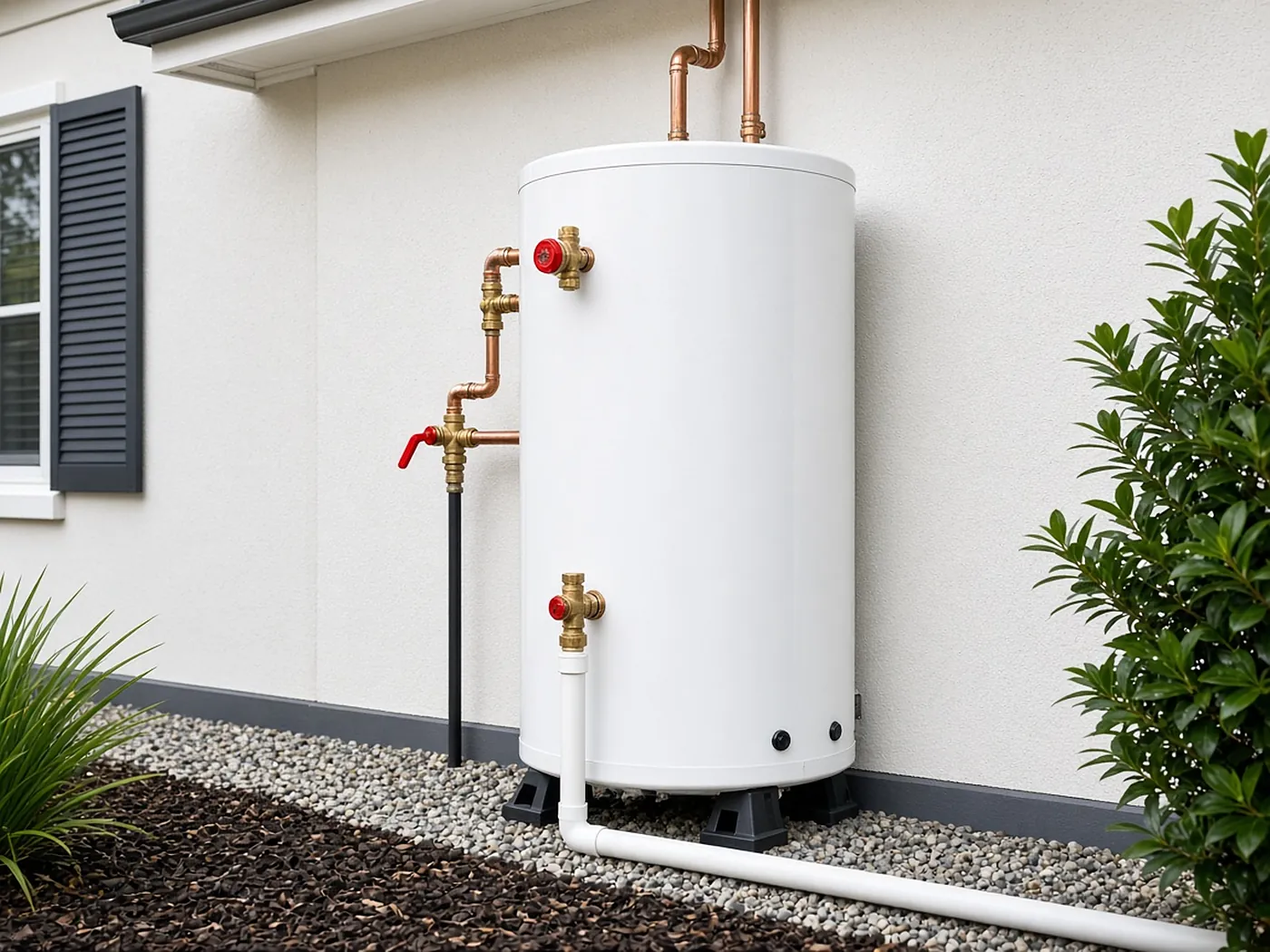
An electric storage system has an insulated tank with an electric element inside, much like a kettle. A thermostat switches the element on and off to keep the water hot. Many are connected to an off-peak tariff so they heat overnight. They are simple, reliable and relatively compact for the amount of hot water they store.
How a heat pump works
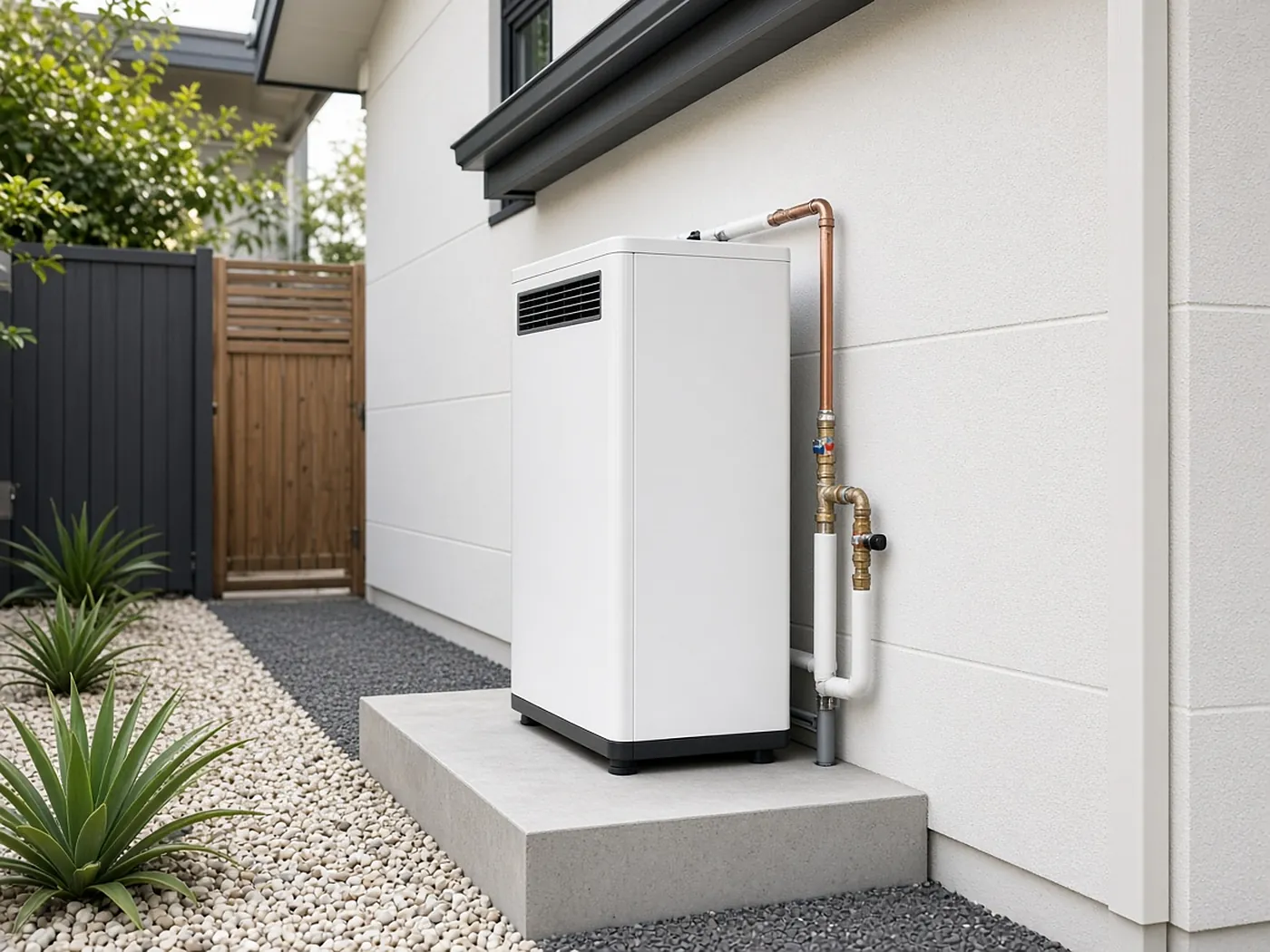
A heat pump works like a reverse-cycle air conditioner or a fridge in reverse. A fan draws air over a coil containing refrigerant, which absorbs heat from the air. A compressor raises the temperature further, and that heat is transferred to the water in the tank. Because it moves heat rather than creating it, a heat pump uses significantly less electricity than a standard electric element to heat the same amount of water.
Running costs and solar
Heat pumps cost more to buy than basic electric storage systems, but they usually cost much less to run. Over the life of the system, that difference can be substantial, depending on your household's hot water use and electricity tariff. If you have solar panels, many heat pumps can be set to run during the day, using your own solar power.
Noise, space and placement
Heat pumps have a fan and compressor that make a low hum when running, similar to an air conditioner's outdoor unit. Placement matters, so they should be kept away from bedroom windows and close boundaries where possible. They also need good airflow around them. Electric storage systems are silent and can go inside or outside.
Melbourne weather
Heat pumps work less efficiently in very cold air, but modern units are designed to operate well in Melbourne's climate. Choosing a reputable model rated for cooler conditions, and placing it in a sensible location, gives the best results.
Switching from gas
Many Berwick homes have gas hot water. If you want to switch to an electric heat pump, the gas unit must be disconnected and the gas line capped by a licensed gasfitter. We do not do gas work, but we can install the heat pump and connect the water once the gas side is done. A licensed electrician is needed for the electrical connection.
Which suits you?
Electric storage can suit smaller households, homes with limited outdoor space or where budget at the time of purchase is the main concern. A heat pump often suits larger households, homes with solar and anyone focused on lower running costs. We can talk through your household's needs and recommend a system and size that fits.
Need help with this?
If you would rather have a plumber look at it, our electric & heat pump hot water service covers this problem in Berwick and nearby suburbs.
More guides
- What to Do When a Pipe Bursts
- Signs of Tree Roots in Your Sewer
- Why Is My Drain Gurgling?
- How to Find a Hidden Water Leak
- Why Does My Toilet Keep Running?
Send us the details
Use the quote form to describe the problem and add a photo or two. We reply with what we think is going on and a free, no-obligation written quote.