Berwick's established trees are part of its character, but underground they can cause real problems for sewer pipes. Roots are drawn to the moisture and nutrients inside drains, and once they find a way in, they grow quickly. This guide explains the warning signs, why roots get in and what can be done about it.
Why roots get into sewer pipes
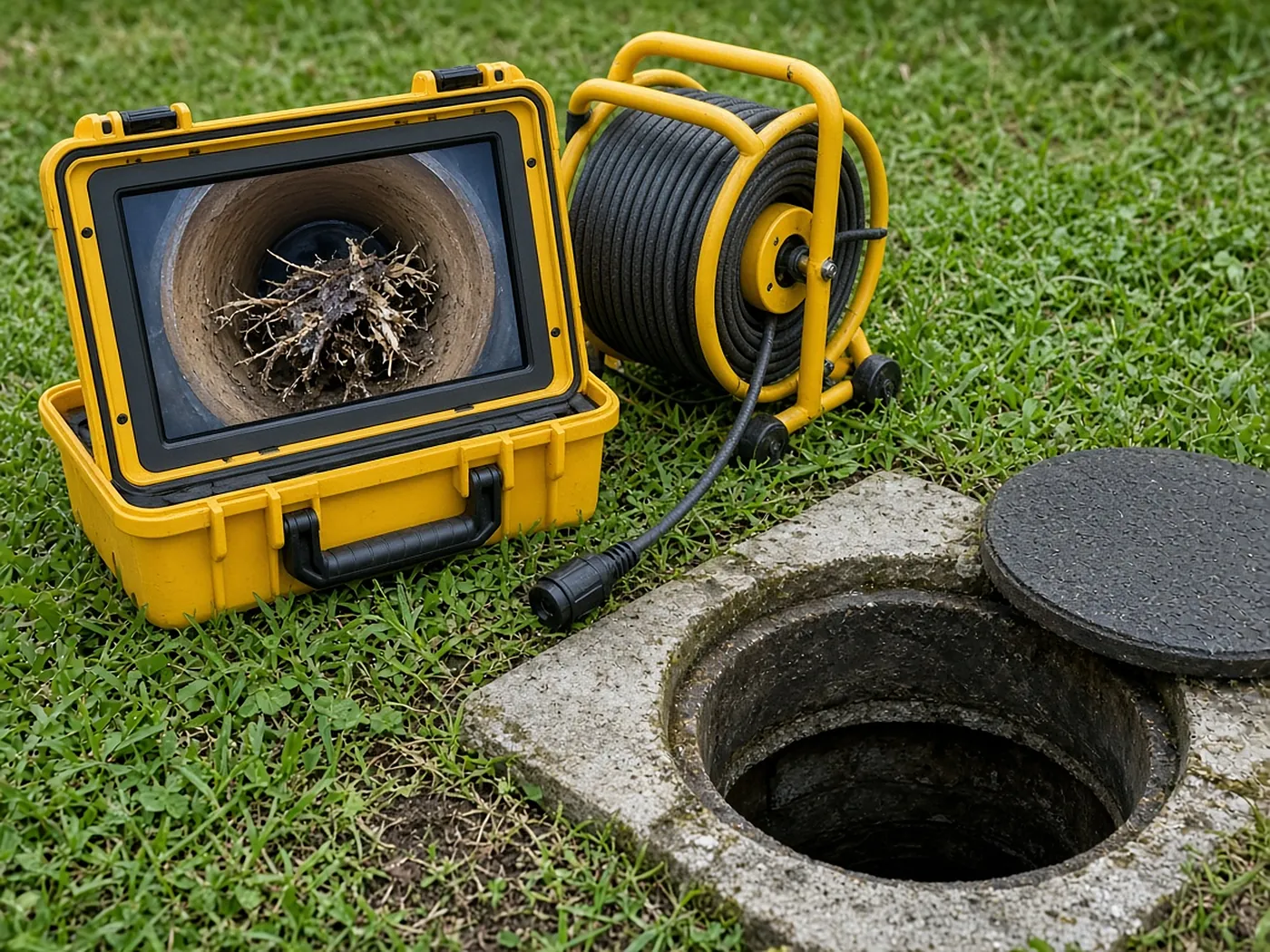
Many older sewer lines are made of earthenware pipe laid in short lengths with a joint every metre or so. Over time the seals at those joints deteriorate, and tiny gaps appear. Fine roots find these gaps, enter the pipe and grow into a dense mat that catches toilet paper and waste. Eventually the pipe blocks. Roots can also widen cracks and push joints out of line, damaging the pipe further.
Modern PVC pipes with solvent-welded joints are much more resistant, but roots can still enter at damaged sections, poorly sealed joints and junctions with older pipe.
Warning signs
Slow drains throughout the house, especially toilets and showers. Gurgling noises when you flush or when the washing machine empties. Water rising in the shower or floor waste when other fixtures drain. Bad smells from drains or the outdoor gully. The outdoor overflow relief gully overflowing. Blockages that come back a few months after being cleared. And in the garden, unusually lush, green patches over the sewer line, or soggy ground where there should not be any.
Confirming the problem
A drain camera inspection is the best way to confirm root intrusion. The camera shows where the roots are entering, how much of the pipe they fill and whether the pipe is cracked or displaced. A locator can mark the position on the ground, so if a repair is needed, it can be targeted precisely.
Clearing roots
Roots can be cleared with an electric eel fitted with cutting heads, or a high-pressure water jetter with a root-cutting nozzle. This restores flow straight away. But roots grow back, often thicker, so clearing alone is a maintenance approach rather than a cure. Some home owners choose regular clearing when the pipe is otherwise sound.
Repairing root-damaged pipe
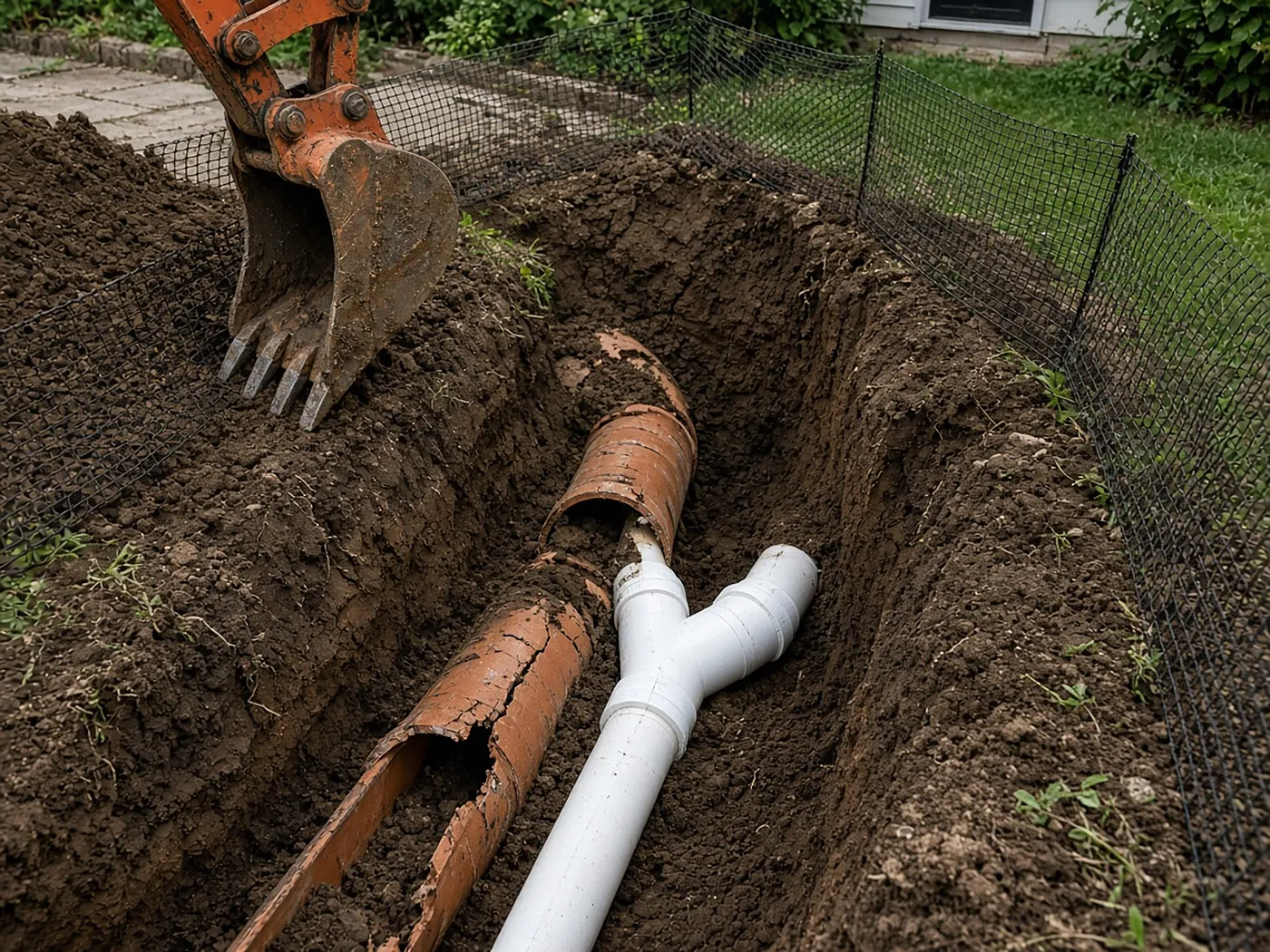
To stop roots getting back in, the damaged section needs to be sealed. One option is to dig down and replace the section with PVC pipe. Another, where suitable, is relining, which forms a new seamless pipe inside the old one without major excavation. The best choice depends on the pipe's condition, depth, length and what is above it.
Preventing root problems
Choose new trees carefully and plant them well away from sewer and stormwater lines. Find out where your sewer runs before planting, building or landscaping. Have older lines camera checked every so often, especially if you have large trees nearby. And act on early warning signs, because a partly blocked pipe is easier to deal with than one that has fully blocked or collapsed.
Need help with this?
If you would rather have a plumber look at it, our sewer repairs & relining service covers this problem in Berwick and nearby suburbs.
More guides
- What to Do When a Pipe Bursts
- Why Is My Drain Gurgling?
- Heat Pump or Electric Storage Hot Water?
- How to Find a Hidden Water Leak
- Why Does My Toilet Keep Running?
Get a clear written quote
Use the quote form to describe the problem and add a photo or two. We reply with what we think is going on and a free, no-obligation written quote.