Not all leaks announce themselves with a puddle. Many are hidden in walls, under floors or underground, and only show up as a higher water bill or a damp patch that will not go away. Finding a hidden leak early saves water and money and prevents damage. Here is how to check, step by step.
Do a water meter test
Turn off every tap, the dishwasher, washing machine, irrigation and anything else that uses water. Find your water meter, usually near the front boundary, and write down the reading or take a photo. Wait at least thirty minutes, ideally an hour, without using any water, then read it again. If the numbers have changed, water is being lost somewhere on your property.
Check the toilets
Running toilets are the most common source of wasted water. Put a few drops of food colouring in the cistern and wait fifteen minutes without flushing. If colour appears in the bowl, the outlet seal is leaking. Also listen for the cistern refilling when no one has flushed it. Both are easy repairs.
Check taps, hoses and appliances
Look under every sink and basin for damp, staining or swelling in the cupboard base. Check flexible hoses for rust, bulges or fraying. Look behind the washing machine and dishwasher. Check outdoor taps and irrigation for drips and soggy patches.
Look for signs in walls and floors
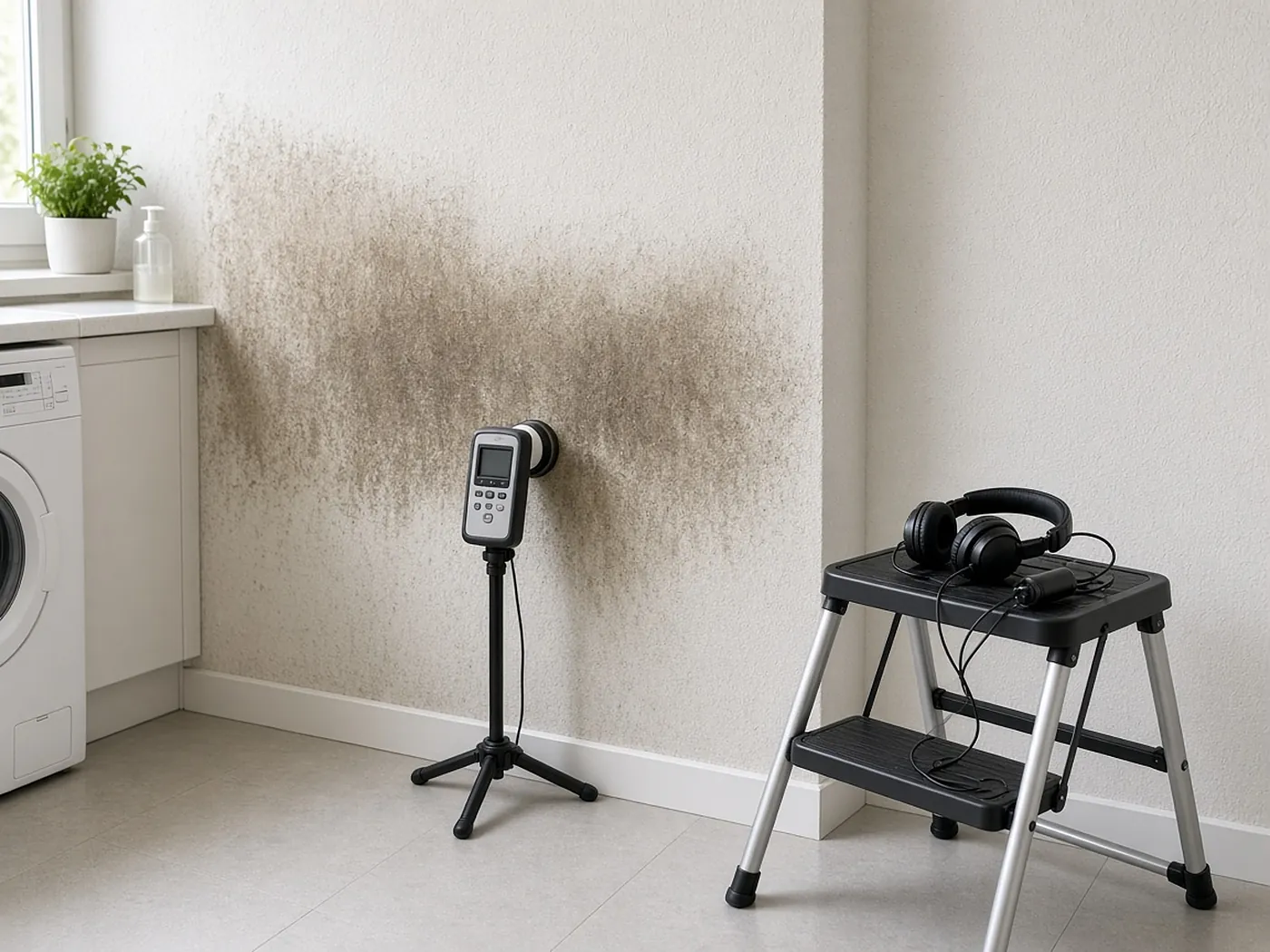
Bubbling or peeling paint, stained plaster, swollen skirting boards and lifting floor coverings can all point to a leak inside a wall or under a floor. A musty smell in one area, or mould appearing in a cupboard, are other clues. Warm spots on a tiled floor may mean a hot water pipe is leaking under the slab.
Check the garden
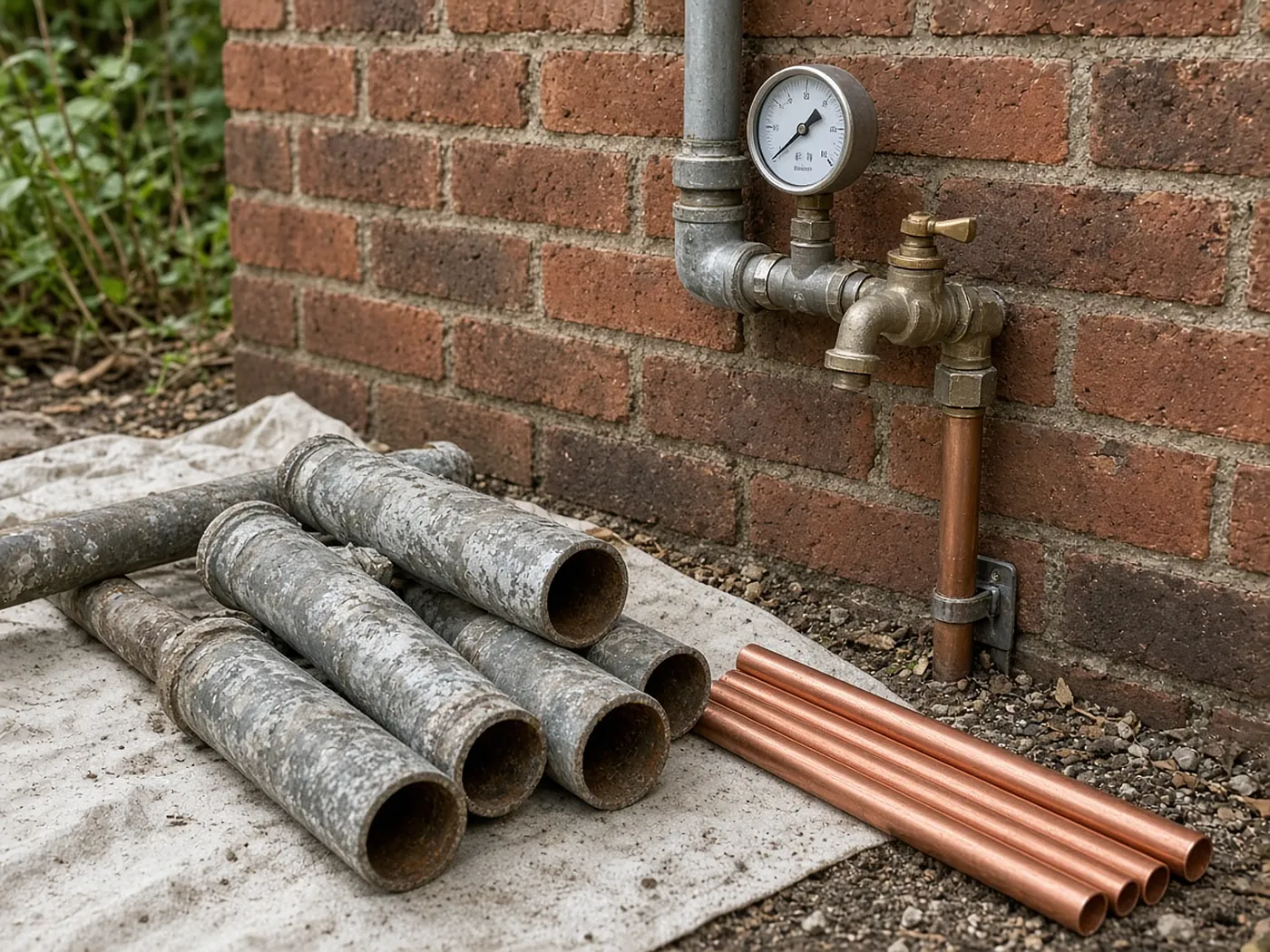
A leak in the water service pipe between the meter and the house can show up as a patch of lawn that is greener or softer than the rest, water seeping from paving, or a wet area that never dries out. On larger blocks, the service pipe can be long, and these signs may be some distance from the house.
Narrowing it down
If the meter test shows a leak but you cannot find it, try turning off the isolation valve to the hot water system and repeating the test. If the meter stops, the leak is on the hot side. If you have isolation valves to other parts of the house, you can use them in the same way.
When to call a plumber
If you have confirmed a leak but cannot find it, or the leak is inside a wall, under a slab or underground, call a plumber. We use pressure testing, acoustic listening equipment, moisture meters and thermal imaging to pinpoint leaks with as little disruption as possible, then repair the pipe properly.
Need help with this?
If you would rather have a plumber look at it, our leak detection & burst pipes service covers this problem in Berwick and nearby suburbs.
More guides
- What to Do When a Pipe Bursts
- Signs of Tree Roots in Your Sewer
- Why Is My Drain Gurgling?
- Heat Pump or Electric Storage Hot Water?
- Why Does My Toilet Keep Running?
Book a free quote
Use the quote form to describe the problem and add a photo or two. We reply with what we think is going on and a free, no-obligation written quote.