Some leaks are obvious, like a pipe spraying water under the house. Others are hidden inside walls, under slabs or below the garden, and only show up as a higher water bill, a damp patch on the plaster or a meter that keeps moving when every tap is off. Left alone, a hidden leak can damage floors, framing and foundations and encourage mould.
Berwick Plumbing finds and fixes leaks in homes across Berwick and the surrounding suburbs. We use a step-by-step process and non-invasive tools to narrow down the location before anything is opened up, then repair the pipe properly. Where pipes are old, corroded or keep failing, we can replace sections or re-pipe the affected part of the house.
This page covers how to tell if you have a leak, how we find it, and the repair options for burst and leaking pipes.
Signs you need leak detection & burst pipes
- Your water bill has jumped without any change in use
- The water meter moves with every tap turned off
- Damp, stained or bubbling plaster or paint
- Swollen skirting boards, cupboard bases or floorboards
- Warm spots on a tiled floor, which can point to a hot water leak
- The sound of running water when nothing is on
- Soggy ground or water seeping from paving
- Musty smells or mould in one area of the house
How to check for a leak yourself
A simple meter test is a good start. Turn off every tap and water-using appliance, then read the water meter and note the numbers, or take a photo. Wait thirty minutes to an hour without using any water and read it again. If the numbers have moved, water is escaping somewhere. Check toilets too: a running cistern is a very common cause of wasted water and is easy to fix.
If you can, also turn off the isolation valve to the hot water system and repeat the test. That helps tell whether the leak is on the hot or cold side, which is useful information when you send us the job.
How we find hidden leaks
We start by isolating sections of the plumbing to narrow down where the leak is. Pressure testing tells us which line is losing water. From there, we use tools such as moisture meters, acoustic listening equipment and thermal imaging to locate the leak inside walls or under floors without opening up large areas.
The goal is to make one small, accurate opening instead of several exploratory holes. Once we have found the leak, we explain what we found and the repair options before any further work goes ahead.
How we handle leak detection & burst pipes in Berwick
- Do a meter test and tell us the result
- We isolate and pressure test the lines
- We pinpoint the leak with non-invasive tools
- We repair or replace the pipe and retest
Common hiding places for leaks in Berwick homes
Under the kitchen sink and behind the dishwasher, where flexible hoses and connections can weep for months before anyone notices. Inside shower walls, where a failed mixer or a cracked fitting soaks the frame. Under slabs, where hot water pipes run to bathrooms and the kitchen. Under the lawn between the meter and the house, where a cracked service pipe can leak into the soil. And in the ceiling, where pipes run to upstairs bathrooms in double-storey homes, which are common in Berwick's newer areas.
Each location has its own tell-tale signs, and we use the clues you give us, such as where the damp is and when it appears, to narrow the search before we bring out the equipment.
Leaks and your insurance
Many home insurance policies treat hidden leaks differently from sudden bursts. Some cover the resulting damage but not the cost of finding the leak or repairing the pipe. Check your policy and keep records, including photos and any written report of the cause. We can provide a clear written summary of what we found and what we repaired if your insurer needs it.
Burst pipes and pipe repairs
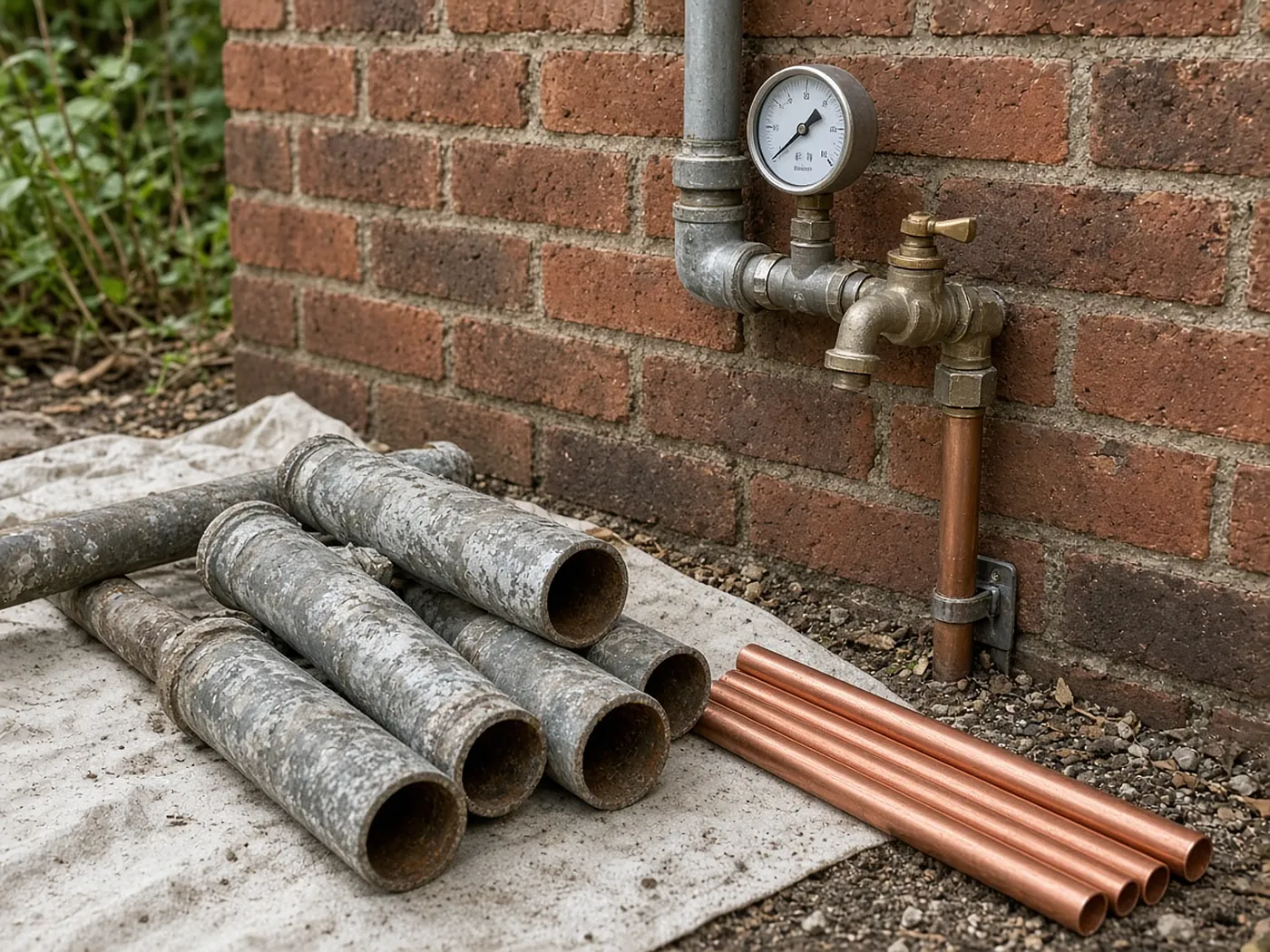
Pipes burst for several reasons: age, corrosion, physical damage, high water pressure, poorly supported pipework that has vibrated against framing, or ground movement under slabs. In older homes we still find galvanised steel pipes that have rusted from the inside and copper joints that have fatigued. In newer homes, damage from screws and nails during later work is a common cause.
A single damaged section can usually be cut out and replaced. If the pipework is failing in several places, re-piping a run or a whole section of the house with modern materials can be the better long-term choice. Where high mains pressure is contributing, a pressure limiting valve can protect your pipes and fixtures.
Water pressure and old pipework
Very low pressure can mean a leak, a partly closed valve or corroded pipes that have narrowed inside. Very high pressure strains taps, toilets, hoses and appliances and makes leaks more likely. We can test your pressure at the house, explain what the reading means and recommend a fix, such as replacing old galvanised pipe or fitting a pressure limiting valve at the meter.
Preventing the next leak
Replace braided flexible hoses under sinks and toilets before they fail. Fit a pressure limiting valve if your mains pressure is high. Make sure pipes are properly clipped so they do not rub or vibrate. And when hanging anything heavy on a wall near a bathroom, kitchen or laundry, check for pipes first. These simple steps prevent many of the leaks we are called to.
What affects the quote
We do not publish prices. The cost depends on how long it takes to locate the leak, where the pipe is, whether walls, floors or paving need to be opened, the length of pipe to be replaced and the materials used. We give you a written quote for the repair before we start it.
What to tell us when you request a quote
The more we know before we arrive, the faster we can fix it. Please include:
- Your meter test result, if you did one
- Where you see damp, staining or water
- Whether the problem is constant or only at certain times
- The age and type of house, single or double storey
- Recent renovation or building work
- Photos of any damp areas or damage
Related services
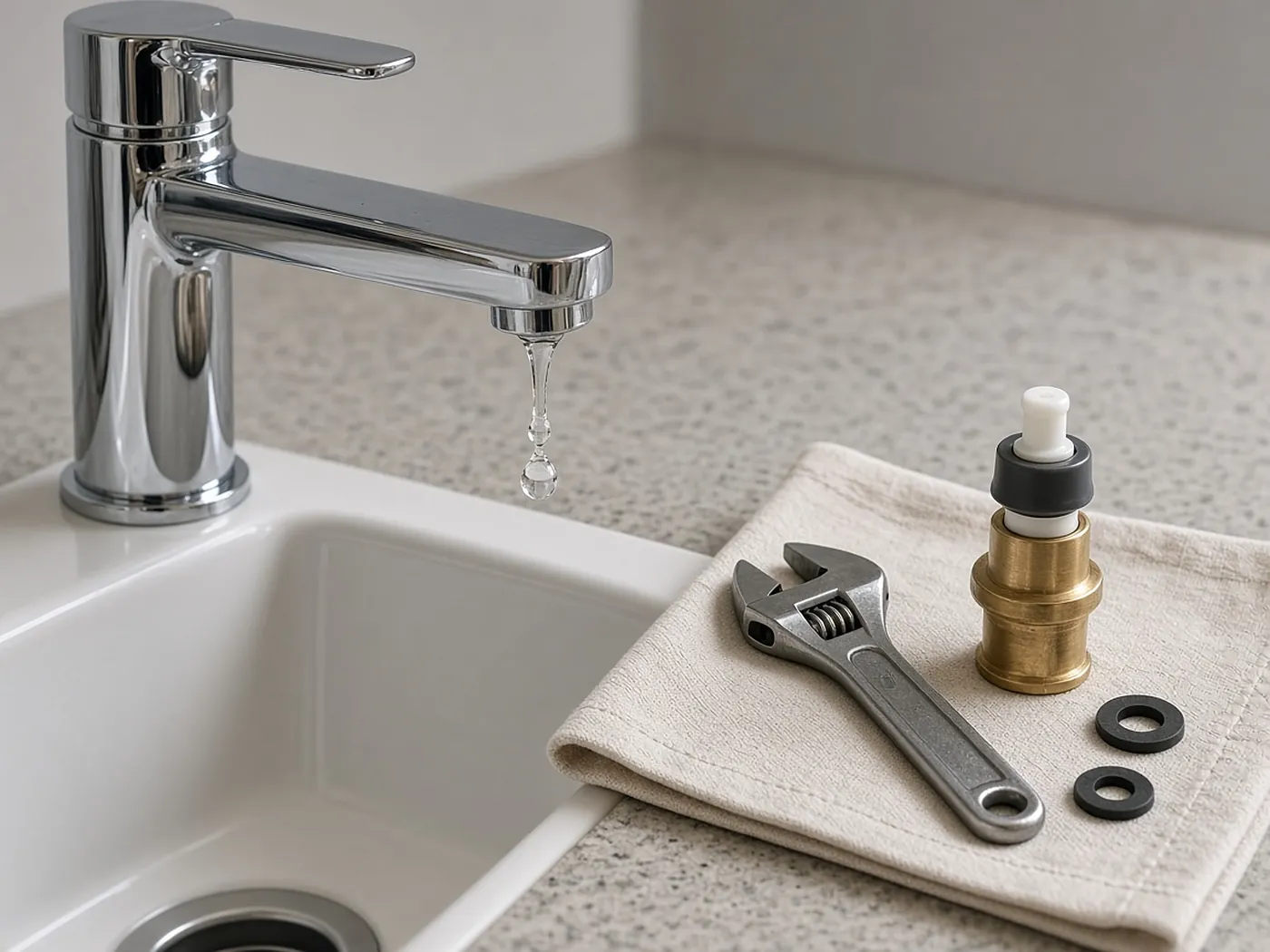 Leaking Taps & MixersDripping taps, mixers and outdoor taps repaired or replaced.
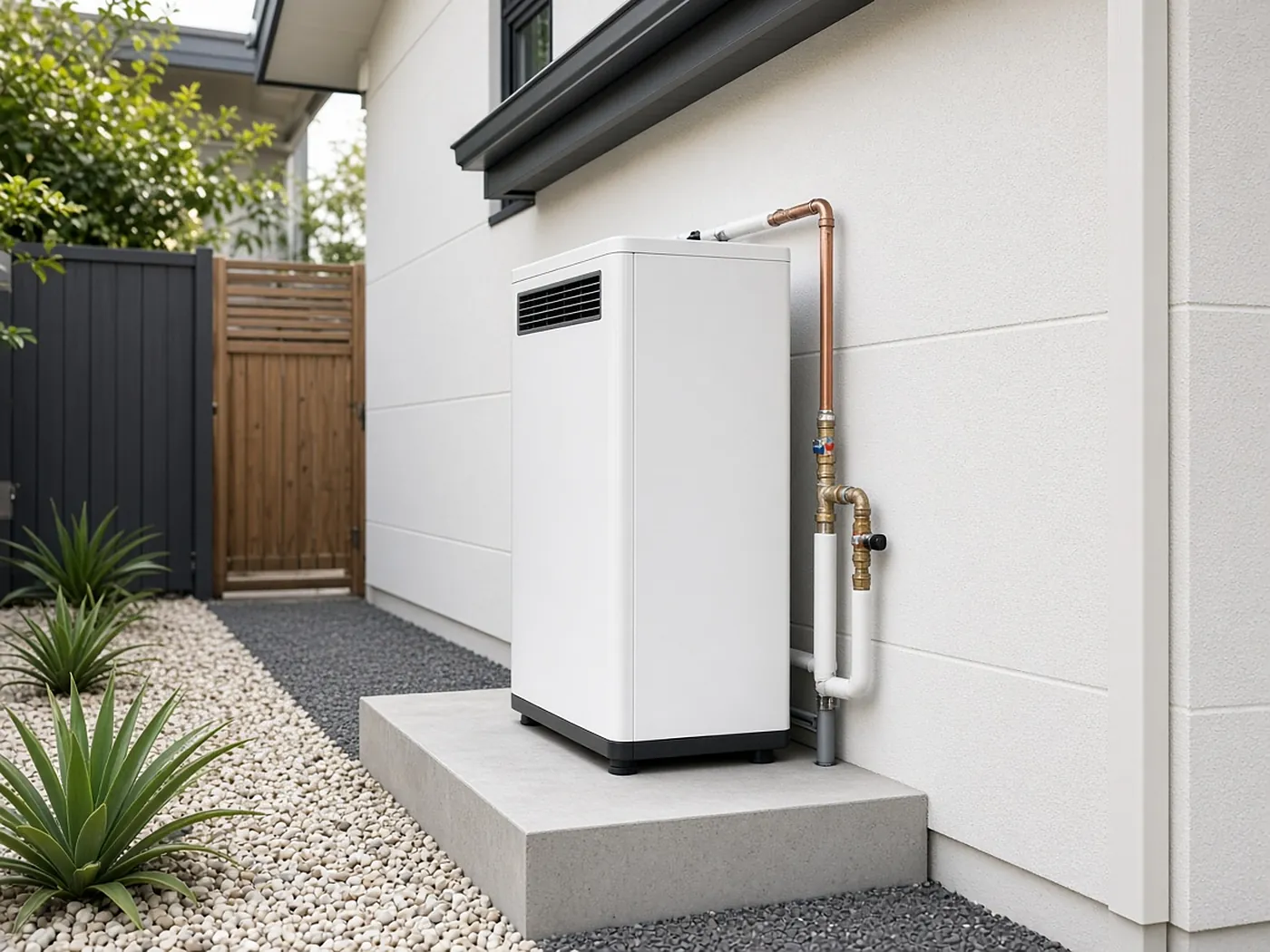 Electric & Heat Pump Hot WaterElectric storage and heat pump hot water repaired, replaced and installed.
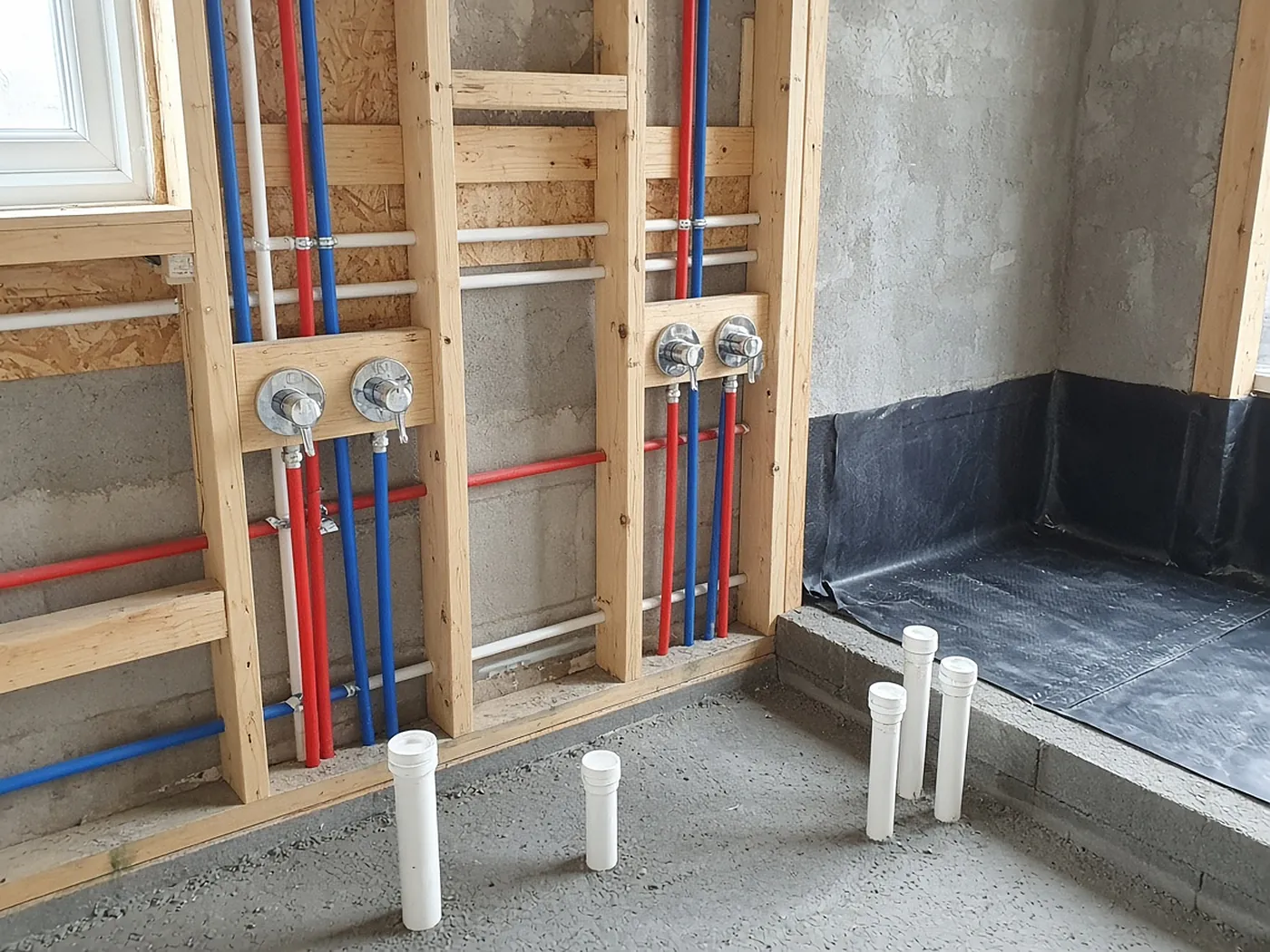 Bathroom, Kitchen & Laundry PlumbingRenovation plumbing: rough-in, fit-off and fixture changes done properly.
Leak Detection & Burst Pipes around Berwick
We provide leak detection & burst pipes in Berwick and the nearby suburbs listed below. If you are close by and not sure whether we cover you, send the job and ask.
Leak Detection & Burst Pipes FAQs
Can you find a leak under a concrete slab?
Yes. We isolate the line and use acoustic and thermal tools to locate leaks under slabs. Depending on the location, the repair may be made through the slab or by re-routing the pipe.
How do I know if the leak is on my side of the meter?
Leaks between the meter and the house are on your side. A meter test with all taps off tells us if water is being used on your property.
Will you have to cut into my walls?
Only where necessary. We locate the leak first, so any opening is small and in the right place.
Can high water pressure cause leaks?
Yes. High pressure puts strain on pipes, hoses and fittings. A pressure limiting valve can protect your plumbing.
Do you replace old galvanised pipes?
Yes. Old galvanised steel pipes rust from the inside, which reduces flow and leads to leaks. We replace them with modern pipe.
Send us the details
Use the quote form to describe the problem and add a photo or two. We reply with what we think is going on and a free, no-obligation written quote.